Introduction:
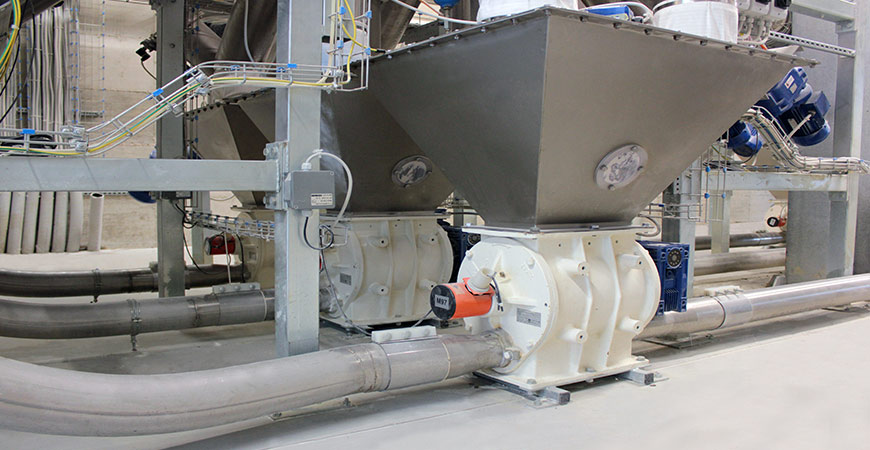
Advantages and Considerations of Rotary Valves: Rotary valves have emerged as indispensable components in various industrial processes, serving a crucial role in controlling the flow of liquids, gases and powders. As these valves find widespread applications across diverse industries, it becomes essential to examine both their advantages and considerations. This comprehensive article delves into the multifaceted aspects of rotary valves, highlighting their strengths, versatility and the key factors that demand careful consideration in their selection and implementation.

Advantages and Considerations of Rotary Valves
Versatility in Material Handling:
- One of the standout advantages of rotary valves is their ability to handle a wide range of materials, including powders, granules, liquids and even abrasive substances.
- This versatility makes rotary valves invaluable in industries such as pharmaceuticals, food processing and chemical manufacturing.
Precise Flow Control:
- Rotary valves excel in providing precise control over material flow, especially in applications where accurate dosing or metering is crucial.
- This precision is particularly advantageous in industries like pharmaceuticals and plastics manufacturing.
Reduced Air Leakage in Pneumatic Systems:
- In pneumatic conveying systems, rotary valves act as effective airlocks, minimizing air leakage between different pressure zones.
- This feature enhances system efficiency, prevents contamination and ensures a consistent material flow.
Robust Construction for Durability:
- Rotary valves are often constructed with durable materials such as stainless steel or hardened alloys, ensuring longevity and resistance to wear and corrosion.
- Their robust construction contributes to minimal maintenance requirements and extended operational life.
Considerations in Rotary Valve Selection
Material Compatibility:
- Corrosion Resistance: It is crucial to consider the corrosive nature of the handled materials. Selecting a rotary valve constructed from materials resistant to corrosion ensures longevity and reliability.
- Material Abrasiveness: In applications involving abrasive substances, choosing a rotary valve with wear-resistant components is essential to prevent premature wear and maintain operational efficiency.
Pressure Differentials and System Compatibility:
- Understanding Pressure Differentials: Rotary valves are sensitive to pressure differentials. Engineers must carefully analyze the pressure variations within the system to choose a valve that can effectively manage these differences without compromising performance.
- System Integration: Compatibility with the overall system design is crucial. Engineers need to ensure that the selected rotary valve seamlessly integrates into existing systems or new installations.
Maintenance Requirements:
- Ease of Maintenance: Regular maintenance is vital for optimal valve performance. Selecting a rotary valve with easy access for inspection and maintenance simplifies upkeep tasks, reducing downtime.
- Availability of Spare Parts: Assessing the availability of spare parts is essential for minimizing potential disruptions. Choosing valves from manufacturers with readily available spare parts ensures efficient maintenance and repairs.
Regulatory Compliance:
- Depending on the industry, certain standards and regulations must be adhered to. Ensuring that the selected rotary valve complies with industry-specific standards and regulations is paramount for legal and safety reasons.
Future Trends and Innovations
As technology advances, the field of rotary valves continues to evolve. Recent innovations include the incorporation of smart technologies for condition monitoring, predictive maintenance and enhanced control systems. These advancements aim to further improve efficiency, reduce downtime and enhance the overall performance of rotary valves in industrial settings.
Conclusion
Advantages and Considerations of Rotary Valves: Rotary valves stand as integral components in various industrial applications, offering a myriad of advantages that contribute to the efficiency and reliability of material handling processes. However, the selection and implementation of rotary valves require careful consideration of factors such as material compatibility, pressure differentials and maintenance requirements. By balancing the advantages with these considerations, engineers can ensure the seamless integration of rotary valves into their systems, fostering optimized industrial processes and paving the way for continued innovation in this essential technology.

